 Beacon Shores
Recovery doesn't have to mean stepping away from everything you've built. Our Intensive Outpatient Program (IOP) offers a structured path to healing that honors your commitments while giving you the clinical support you need to reclaim your life from addiction.
This is treatment designed for real life—where you can maintain work, family responsibilities, and your daily routine while accessing the same quality care you'd find in residential programs. You'll find your footing in a coastal setting that reminds you why sobriety is worth fighting for.
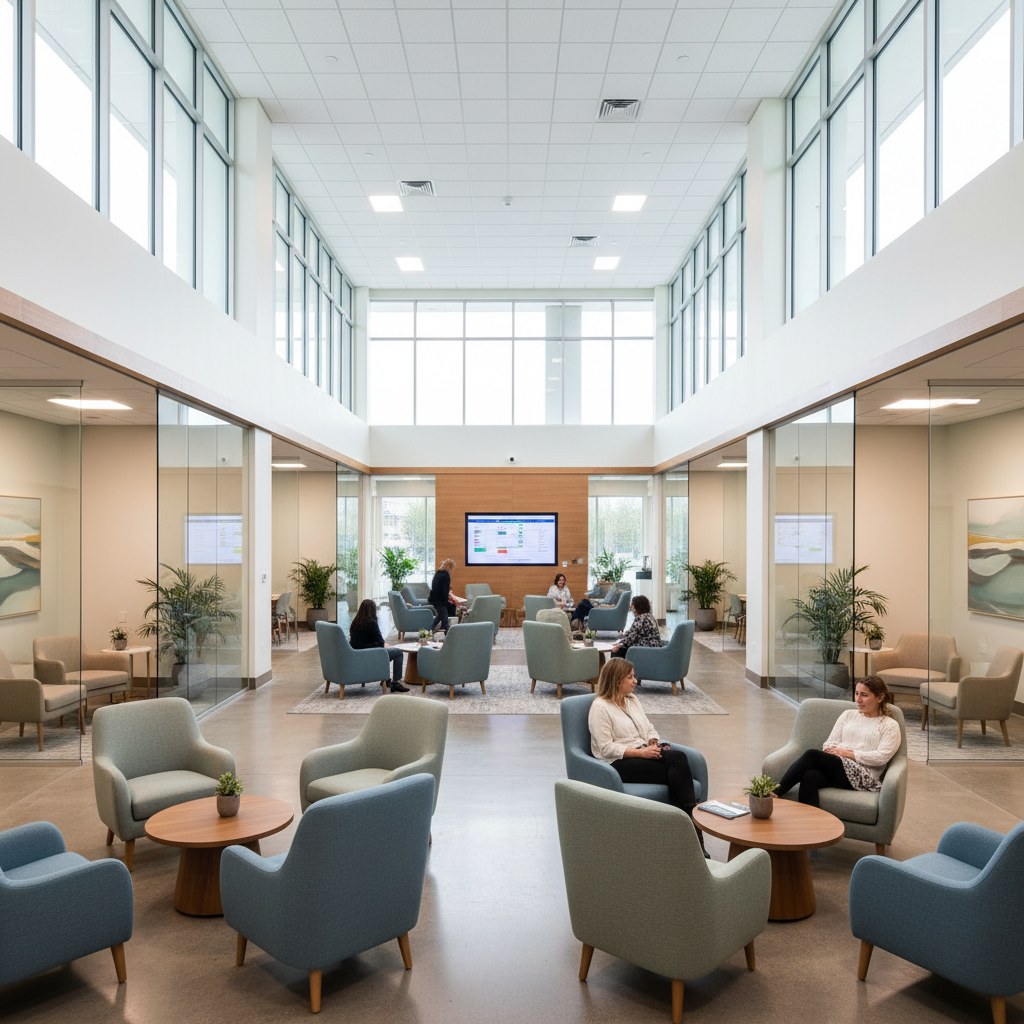
What Our Intensive Outpatient Program Includes
Intensive Outpatient Programs provide comprehensive addiction treatment through scheduled sessions typically held several evenings per week. You'll participate in group therapy, individual counseling, and educational workshops that address both the physical and psychological aspects of addiction. Each session builds on the last, creating a consistent framework for understanding triggers, developing coping strategies, and rebuilding the life you want.
The program integrates evidence-based therapeutic approaches including cognitive behavioral therapy, motivational interviewing, and relapse prevention planning. You'll work with clinical staff who understand that addiction is a complex condition requiring more than willpower—it demands new skills, honest self-reflection, and a supportive community. Between sessions, you'll apply what you learn in real-world settings, bringing those experiences back to treatment where we can process challenges and celebrate progress together.

The Benefits of Intensive Outpatient Care
Maintain Your Responsibilities
Continue working, caring for family, and meeting daily obligations while receiving professional treatment.
Real-World Application
Practice recovery skills in your actual environment, not an isolated setting removed from everyday triggers.
Strong Community Connection
Build relationships with peers who understand your journey and provide accountability beyond clinical hours.
Cost-Effective Treatment
Access comprehensive care at a lower cost than residential programs without sacrificing quality or outcomes.
Gradual Transition
Step down smoothly from higher levels of care or step up when outpatient support alone isn't enough.
Family Involvement
Include loved ones in your recovery process through family sessions and education about supporting long-term sobriety.
Speak to a real person.
Your Path Through Intensive Outpatient Treatment
- Initial Assessment We'll sit down together to understand your substance use history, mental health needs, current circumstances, and recovery goals. This conversation shapes your personalized treatment plan and determines if IOP is the right level of care.
- Active Treatment Phase Attend scheduled sessions multiple times per week, typically ranging from nine to fifteen hours total. You'll engage in group therapy, individual counseling, skill-building workshops, and periodic assessments to track your progress.
- Transition Planning As you demonstrate stability and progress, we'll gradually reduce session frequency while strengthening your external support network, connecting you with community resources, and ensuring you have a solid continuing care plan.
- Ongoing Support Recovery doesn't end when structured treatment does. We'll remain available for check-ins, alumni programming, and step-down support to help you navigate challenges and maintain the foundation you've built.
Who Benefits from Intensive Outpatient Programs
IOP works best for individuals who need more structure than traditional outpatient counseling but don't require 24-hour supervision. You might be stepping down from residential treatment and need continued support as you reintegrate into daily life. Or perhaps you're recognizing that occasional therapy isn't providing enough accountability to maintain sobriety amid work stress, relationship challenges, or other triggers.
This level of care is ideal when you're medically stable, have a safe living environment, and are motivated to engage in treatment while managing outside responsibilities. It's for people who want to prove to themselves—and maybe to others—that recovery is possible without abandoning everything else. If you're struggling with substance use but still showing up for parts of your life, IOP offers the structure to strengthen your recovery while respecting the commitments that matter to you.
Common questions
How is IOP different from regular outpatient therapy?
Intensive Outpatient Programs require significantly more hours per week—typically nine to fifteen compared to one or two for standard outpatient care. IOP provides structured programming with multiple therapeutic modalities, consistent peer support, and closer clinical monitoring. It's the middle ground between the flexibility of weekly counseling and the immersion of residential treatment.
Can I work while attending an IOP?
Yes, most people in IOP maintain their jobs. Sessions are often scheduled during evenings or flexible daytime blocks to accommodate work schedules. Part of IOP's value is learning to balance recovery with real-world responsibilities, though you may need to adjust your schedule temporarily to prioritize treatment.
How long does an intensive outpatient program last?
Program length varies based on individual progress, but most people participate for eight to twelve weeks of intensive sessions before transitioning to less frequent care. Some may need longer if they're managing co-occurring mental health conditions or complex circumstances. Your treatment team will regularly assess your progress and adjust the timeline accordingly.
What happens if I relapse during IOP?
Relapse doesn't mean failure or discharge—it means we need to reassess and adjust your treatment plan. We'll explore what led to the relapse, determine if you need a higher level of care temporarily, and use the experience as a learning opportunity. Honest communication about struggles is essential, and we create an environment where you can be truthful without fear of judgment.