 Beacon Shores
The bridge between treatment and independent living can feel uncertain. Our sober living homes provide the structure, community, and accountability you need during this critical transition—a safe harbor where recovery takes root and new habits become second nature.
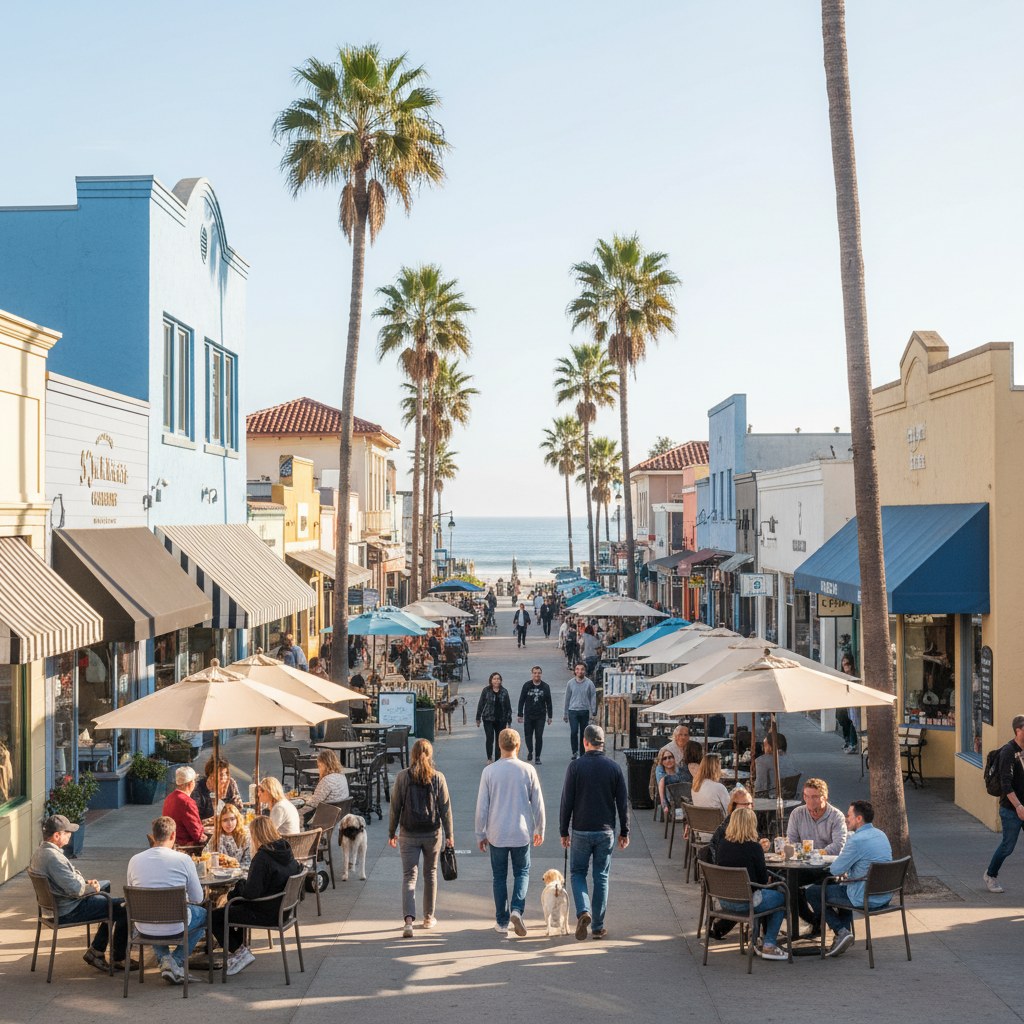
Set in a coastal environment that naturally calms the mind, our homes offer more than just a place to stay. They're purposeful communities where residents support one another, practice the skills learned in treatment, and build the confidence needed to step back into daily life with strength and clarity.

What Sober Living Provides
Sober living is structured, substance-free housing designed to support individuals transitioning from intensive treatment back to independent living. Residents share a home with peers in recovery, following house guidelines that include drug and alcohol testing, curfews, participation in house meetings, and engagement in recovery activities like 12-step programs or outpatient therapy. This environment creates healthy routines and accountability while allowing the freedom to work, attend school, or rebuild family connections.
Unlike halfway houses or treatment facilities, sober living emphasizes personal responsibility within a supportive peer community. You manage your own schedule, prepare meals, maintain employment, and practice life skills—all while surrounded by others who understand the journey. House managers provide oversight and support, ensuring the home remains a safe, recovery-focused space where residents can concentrate on building the foundation for long-term sobriety.
The Foundation Sober Living Builds
Structured accountability
Clear house rules, regular testing, and peer support create the consistency needed when willpower alone isn't enough.
Peer community strength
Living alongside others in recovery reduces isolation and creates genuine connections with people who truly understand.
Real-world practice
You develop daily living skills and healthy routines in a safe environment before facing independent life.
Treatment bridge
Sober living extends the gains from intensive treatment, preventing the shock of returning home too quickly.
Financial accessibility
A cost-effective option that provides substantial support without the expense of residential treatment.
Reduced relapse risk
Research shows structured sober living significantly improves long-term recovery outcomes and reduces return to use.
Speak to a real person.
Your Path to Stable Recovery
- Assessment and placement We discuss your recovery history, current needs, and goals to ensure sober living is the right fit. We review house guidelines, expectations, and answer all questions about daily life in the home.
- Move-in and orientation You settle into your room, meet housemates, and receive a thorough orientation covering house rules, schedules, chores, and available resources. House managers help you integrate smoothly into the community.
- Engagement and growth You participate in house meetings, maintain employment or education, attend recovery programming, and contribute to household responsibilities. Regular check-ins ensure you're progressing and feeling supported.
- Transition planning As you build stability, we work together on your exit plan—securing permanent housing, strengthening employment, and ensuring aftercare supports are in place before you transition to independent living.
Who Benefits from Sober Living
Sober living serves anyone who has completed detox or residential treatment and needs continued support before returning to independent living. It's particularly valuable if you're leaving an environment where substances were present, lack a strong recovery network, or simply need more time to practice sobriety skills before facing daily pressures. This setting bridges the gap when treatment ends but you're not quite ready to navigate life completely on your own.
You might benefit from sober living if you've relapsed after previous treatment, need structure while attending outpatient programming, or want to separate from unhealthy relationships during early recovery. It's also ideal if you're rebuilding after incarceration, establishing employment, or simply recognizing that your home environment isn't conducive to staying sober. The goal is simple: give yourself the time and support needed to make recovery stick.
Common questions
How long do people typically stay in sober living?
Most residents stay between three to twelve months, though length varies based on individual needs and progress. Some people need just a few months to stabilize, while others benefit from longer stays to fully establish routines and build confidence. The focus is on leaving when you're genuinely ready, not on arbitrary timelines.
What rules and restrictions should I expect?
Common requirements include maintaining sobriety with regular testing, adhering to curfews, attending house meetings, participating in recovery activities, contributing to chores, and maintaining employment or education. Visitors are typically allowed during designated hours, and personal belongings are respected. Specific rules vary by home but always prioritize safety and recovery.
Can I work or go to school while in sober living?
Absolutely—in fact, it's encouraged. Sober living is designed to help you rebuild normal life, and employment or education is part of that process. Many residents work full-time, attend college, or volunteer while living in the home. The structure supports your outside commitments while keeping recovery the priority.
Is sober living the same as a halfway house?
While similar, they're distinct. Halfway houses are often court-mandated and part of criminal justice systems, with less choice in admission. Sober living is voluntary, peer-focused housing where you choose to live as part of your recovery plan. Sober living typically offers more autonomy and emphasizes community support over institutional oversight.