 Beacon Shores
Recovery isn't something you can schedule between obligations or fit into evenings and weekends. Real transformation requires stepping away from the environments, routines, and triggers that have kept you stuck—and giving yourself the space to heal completely.
Our residential addiction treatment program offers exactly that: a safe, supportive environment where you can focus entirely on your recovery. With round-the-clock care, evidence-based therapies, and the calming presence of the coastal landscape, you'll have everything you need to break free from addiction and build the foundation for a healthier, more authentic life.
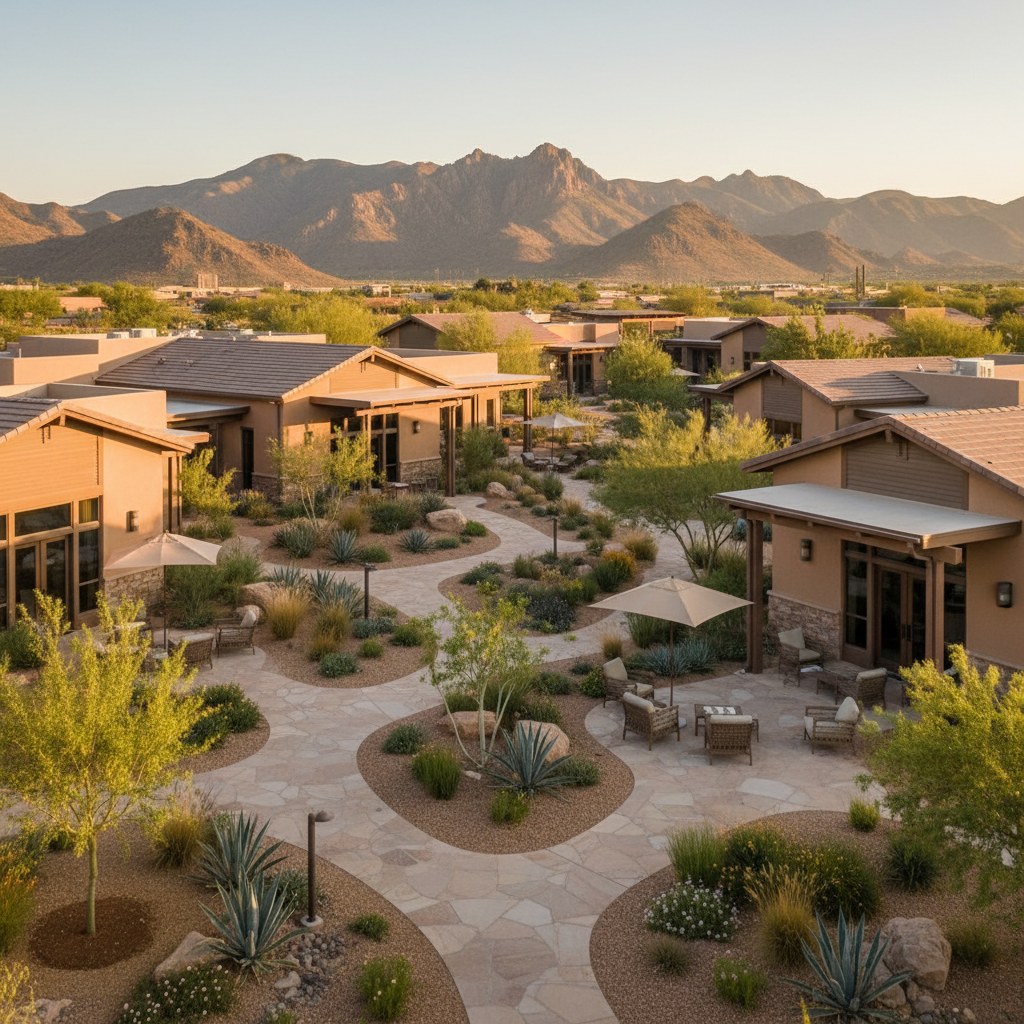
What Residential Treatment Involves
Residential treatment means living on-site in a therapeutic environment designed specifically for addiction recovery. You'll have your own private or semi-private accommodations, enjoy nutritious meals prepared for you, and participate in a structured daily schedule that balances clinical work with personal reflection and restoration. This isn't just treatment—it's a complete immersion in recovery, where every aspect of your day supports your healing.
Your time in residential care includes individual therapy sessions, group counseling, evidence-based modalities like cognitive behavioral therapy and dialectical behavior therapy, holistic practices such as mindfulness and yoga, and ongoing medical support. You'll work closely with a multidisciplinary team who gets to know your story, your struggles, and your strengths. The coastal setting provides natural opportunities for healing walks, quiet contemplation, and reconnection with yourself away from the chaos that addiction brings.

Benefits of Residential Care
Complete focus
Remove distractions and triggers from your environment so you can dedicate all your energy to getting well.
24/7 professional support
Access to clinical staff around the clock means you're never alone in difficult moments or medical concerns.
Structured healing environment
A carefully designed daily routine helps rebuild healthy patterns and provides stability during early recovery.
Peer community
Connect with others who understand your journey and build relationships that support long-term sobriety.
Comprehensive care
Address not just the addiction but co-occurring mental health conditions, trauma, and underlying issues simultaneously.
Safe transition space
Create distance between your old life and your new beginning while learning essential coping skills in a protected setting.
Speak to a real person.
Your Residential Treatment Journey
- Assessment and admission We begin with a thorough evaluation of your physical health, substance use history, mental health, and personal goals. This helps us create a treatment plan tailored specifically to your needs and circumstances.
- Stabilization and detox support If needed, you'll receive medical supervision during withdrawal to ensure your safety and comfort. Our team monitors you closely and provides medications when appropriate to ease the process.
- Active treatment phase Engage daily in individual therapy, group sessions, educational workshops, and holistic activities. You'll develop coping strategies, process underlying issues, and begin rebuilding your sense of self and purpose.
- Transition planning Before completion, we work with you to create a detailed aftercare plan including outpatient therapy, sober living options, community support groups, and relapse prevention strategies for sustained success.
Who Benefits from Residential Treatment
Residential care is often the right choice when outpatient treatment hasn't been successful, when your home environment makes recovery difficult, or when you're dealing with severe addiction that requires intensive support. It's particularly beneficial for those facing co-occurring mental health conditions, those without a stable living situation, or anyone who needs to step completely away from daily stressors to focus on healing.
This level of care serves people at various stages—whether you're seeking help for the first time or returning after a relapse. If you've tried to quit on your own without success, if your relationships and responsibilities have suffered significantly, or if you simply know you need more than weekly therapy sessions can provide, residential treatment offers the immersive support that can make all the difference.
Common questions
How long does residential treatment typically last?
Program length varies based on individual needs, but most residential stays range from 30 to 90 days. Research shows that longer treatment durations generally lead to better outcomes. Your treatment team will work with you to determine the appropriate length based on your progress, substance use history, and personal circumstances.
Can I have contact with family and friends during treatment?
Yes, though contact is typically structured to support your recovery. After an initial focus period, most programs allow phone calls, video chats, and scheduled visits with approved family members. Family therapy sessions are often encouraged as part of the healing process. We balance connection with the need for therapeutic space.
What should I bring to residential treatment?
You'll need comfortable clothing for various activities, personal toiletries, any prescribed medications, and items that provide comfort like photos or journals. We'll provide a detailed packing list during admission. Most programs restrict certain items for safety reasons, and all belongings are typically reviewed upon arrival.
What happens after I complete the residential program?
Completion is just the beginning of your recovery journey. We'll help you transition to outpatient therapy, connect you with local support groups, and may recommend sober living arrangements. Your aftercare plan is customized to provide ongoing structure and support as you reintegrate into daily life with your new skills and perspectives.